Tow Dolly vs Car Trailer: Which Is Better for Towing a Car?
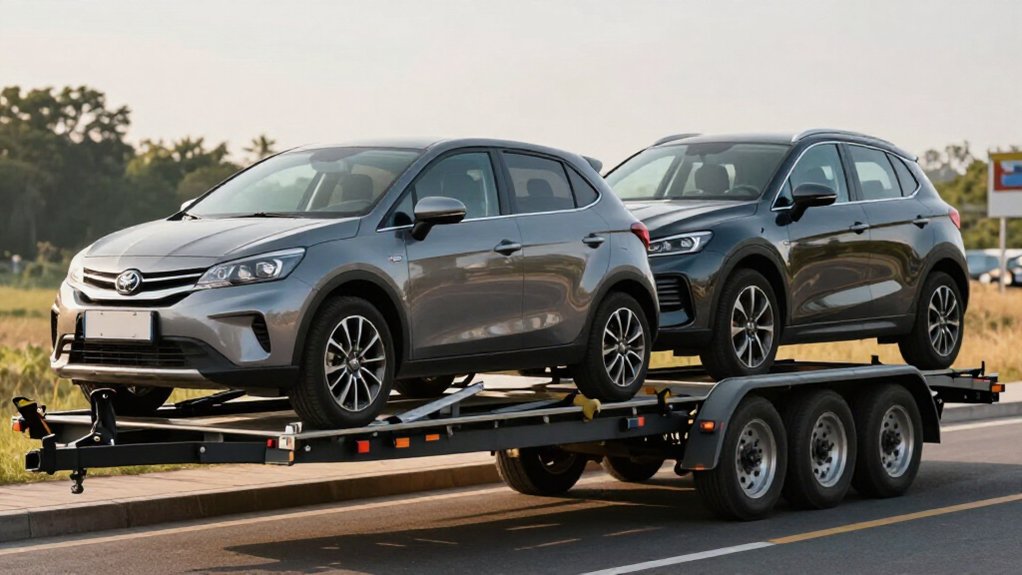
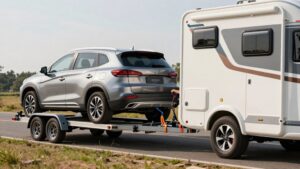
A car trailer is steadier and easier to control on long trips because it keeps all four wheels off the road and typically includes brakes.
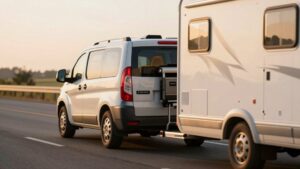
A tow dolly can cost less, but leaves two wheels on the pavement, where bumps can trigger sway; braking may be limited.
Before booking, confirm your car’s curb weight, drivetrain, hitch rating, clearance, tire fit, and strap ratings.
Check mileage, fees, and loading needs.
Compare loading, costs, and fit before booking.
Rental Reservation Requirements
When you reserve a tow dolly or car trailer, provide your car’s year, make, model, curb weight, bumper-to-ground clearance, hitch rating, and drive system. These details let the rental team check capacity, loading geometry, and drivetrain compatibility before confirming availability.
| Vehicle detail | Why it matters |
|---|---|
| Curb weight | Confirms capacity. |
| Clearance | Checks loading height. |
| Drive system | Determines equipment compatibility. |
| Hitch rating | Verifies towing limit. |
U-Haul evaluates front-to-rear weight distribution, vehicle length and width, and ground clearance; a dolly that fits one car may not suit another. Compare specifications, not vehicle class alone. A car trailer keeps all four wheels off the road and often suits heavier cars or long-distance moves, yet it needs the same details.
U-Haul lists capacity around 5,290 pounds; verify your car’s weight and the specific unit’s limit. Accurate inputs help prevent poor loading height or unstable towing and clarify prices and availability.
Wheel-Strap and Tie-Down Systems
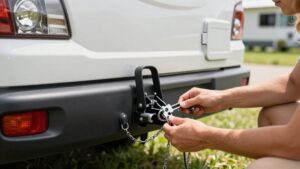
Secure the dolly’s front tires with towing-rated wheel straps, then use at least one forward and one rearward tie-down, and any required side straps, to prevent rolling, sliding, or crabbing.
- Check each strap’s rating and fit against tire width; low clearance can prevent proper placement during loading.
- Tighten straps in sequence, then confirm they hold the steering straight; never trust the dolly’s connection alone.
- Choose a braked dolly when available, and inspect hooks and ratchets for secure engagement before towing.
- After a short pull, stop safely and recheck tension; tire movement can loosen straps, so retighten as needed.
The rear tires remain on the road, so follow the dolly and vehicle instructions; replace damaged straps, and don’t tow until every required restraint is fully secured.
Highway Stability and Maneuverability
Once the straps are checked, highway control becomes the next concern. A car trailer keeps all four tires off the road, reducing road-induced movement and generally tracking more steadily at highway speeds. Its more uniform support and typical braking system can also help you manage the load and make lane changes or turns with greater confidence.
A tow dolly leaves two tires on the pavement, so bumps and uneven surfaces can contribute to sway. At interstate speeds, that movement can quickly become unsettling. If your dolly lacks brakes, hard stops pose a greater risk: the towed car may push against the tow vehicle, increasing the chance of a jackknife.
Many dollies also don’t back up easily. For long, fast trips, a properly equipped car trailer usually offers more predictable control. Reduce speed and leave extra following distance with either setup.
Loading and Unloading Methods
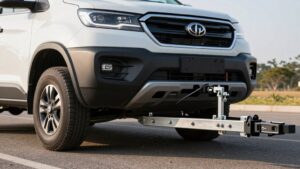
Loading a car onto a tow dolly takes precise alignment: drive its front wheels up onto the dolly while the rear wheels stay on the ground, keeping clear of bumpers and fenders. Before moving, check the dolly sits on firm, level ground and ramps are secure; use a spotter when visibility is limited.
- Center each front tire, then stop if clearance looks tight; low bumpers may scrape on approach.
- Set the straps correctly around both tires; wider tires may not fit the dolly’s exposed wheel restraints.
- For unloading, reverse the setup: release restraints as directed, then drive forward slowly until front wheels reach ground.
- A trailer carries the whole car; drive or winch it aboard, using its approach angle and deck to ease loading.
Drivetrain and Towing Restrictions
Your loading method is only part of the decision; drivetrain and vehicle limits matter too.
Choose a tow dolly when you have a front-wheel-drive car: it lifts the front wheels while the rear wheels roll on the road. This setup is recommended, but check your owner’s manual for towing limits and follow the dolly maker’s fit requirements. Straps may be difficult to secure if your tires sit close to the fenders, and low ground clearance can make loading risky.
Choose a car trailer when you need all four wheels off the road, especially if your vehicle is heavier than the dolly’s rated capacity. U-Haul lists about 5,290 pounds as the car trailer’s maximum capacity, so verify the specific equipment rating rather than assuming it fits. Match the trailer to your car’s curb weight, weight distribution, length, width, and clearance.
Trailer Brake Requirements
Brake equipment varies by rental: car trailers typically have their own braking system, while many tow dollies have no brakes or only limited options. Before you rent, confirm whether the unit uses surge brakes, electric brakes, or none; electric-brake dollies aren’t especially common. An unbraked dolly adds mass behind your tow vehicle, and hard stops can trigger sway or jackknife-like instability. Legal doesn’t automatically mean controllable, especially at highway speeds.
- Ask which braking system the dolly or trailer has.
- Check that your tow vehicle’s controller and wiring match electric brakes.
- Don’t treat an unbraked dolly as safe behind a smaller vehicle; large tow vehicles still need brakes.
- Follow rental limits and local law, and slow down early to preserve control.
Road Debris Exposure
On a tow dolly, the car’s rear wheels stay on the road, leaving its tires, wheel wells, and nearby components exposed to rocks and gravel that can chip paint or cause damage. That exposure is greatest when you’re crossing construction zones or gravel shoulders, where debris can strike the grounded rear tires and wheel wells.
Your car’s brake components on those wheels may also take impacts. If you tow a low-clearance or lowered car, its underside and protruding parts may sit closer to the debris field, increasing the chance of damage.
A car trailer carries the entire vehicle off the ground, so road-surface debris is less likely to hit its wheels, lower body, and undercarriage. If reducing debris damage is a priority, choose a trailer; it prevents direct road contact with the vehicle’s tires and underside.
Still, secure the car correctly and inspect it after travel, especially after rough or dusty routes, for signs of fresh damage.
Rental Costs and Fees
You’ll typically pay about $180 per day for a tow dolly versus $350 for a car trailer, though rates vary with vehicle fit and rental terms. Check the out-the-door total, including mileage charges, taxes, and mandatory fees, before booking.
A dolly often costs less for a short move, while a trailer’s higher price may make sense for a longer haul.
Rental Price Differences
Although a tow dolly usually costs less, compare the full rental estimate before you book: U-Haul-style figures put a car trailer at about $350 per day versus $180 for a tow dolly, before taxes, fees, fuel, or insurance. For a quick comparison, use these distance-based estimates:
- A 500-mile trip may cost about $350 with a trailer or $180 with a dolly.
- At 1,500 miles, budget roughly $1,060 for a trailer or $540 with a dolly.
- The roughly $170 daily gap can widen your total as distance-based charges accumulate.
- A dolly usually saves money on a short, same-state move; choose equipment that safely fits your vehicle and tow setup.
Compare quotes by distance, rental duration, vehicle fit, and towing limits before booking.
Additional Fees
Beyond the base rental price, mileage, taxes, fees, fuel, and insurance can raise your total. For a roughly 500-mile move, estimates put a U-Haul-style car trailer near $350 and a tow dolly near $180, before those add-ons. At about 1,500 miles, totals climb to roughly $1,060 and $540, respectively.
These figures make a dolly cheaper, but don’t assume it’ll cost exactly half: mileage terms, local taxes, service fees, fuel, and coverage options vary by rental and route. Check the written quote for included mileage, return requirements, and insurance limits before booking. Also confirm your vehicle and tow vehicle meet the equipment’s weight and hitch requirements; choosing a cheaper setup that isn’t compatible can create serious handling and braking risks. For a short move, a dolly may protect your budget, while longer trips make checking every fee especially important before departure.
Vehicle Clearance and Storage
Before choosing, check whether your vehicle has enough ground clearance to load safely over the dolly or trailer ramps. A car trailer needs more parking and loading space, while a tow dolly’s smaller footprint makes empty storage easier.
Consider both ramp clearance and where you’ll store the equipment before you tow.
Ground Clearance Needs
For a low-clearance car, a car trailer is often the safer choice because the car sits fully on the deck instead of climbing a dolly’s front-wheel ramps.
A dolly needs enough bumper-to-ground clearance and tire-to-fender space for its ramps to lift the front wheels smoothly. If clearance is tight, you could scrape or tear a bumper, or find that loading and tie-downs aren’t safe.
- Check curb weight and bumper clearance against dolly rental specs before booking.
- Measure tire-to-fender space; lowered suspension can limit ramp movement.
- Use a car trailer when approach clearance is marginal; secure the whole vehicle on its deck.
- Follow loading instructions and use spotters to prevent contact during loading.
Ask the rental company to verify required dolly clearance before you commit.
Trailer Storage Space
When storage space is tight, a tow dolly is usually easier to park than a full car trailer. A car trailer is a full four-wheel flatbed, so it takes more room to maneuver and store; a dolly supports only the front wheels and has a smaller footprint.
But the smaller option won’t suit every vehicle. Low front-end clearance or tight tire-to-fender gaps can complicate ramp engagement, wheel positioning, and strap placement.
Before you choose, check that your front tires fit the dolly and that its lift won’t contact your bumper or bodywork. You’ll also need to manage steering lock and secure wheels without damaging the vehicle. A trailer avoids these clearance and positioning challenges because you load the car onto its deck.
Dolly Storage Requirements
A tow dolly stores compactly, but you still need a level spot with enough ground clearance to load the front wheels without scraping a low bumper or splitter.
- Check the approach angle: ramps need room, and a lowered car may contact them before its tires reach the tracks.
- Measure tire width and fender gap; tight or nonexistent clearance can prevent straps from fitting securely.
- Account for rear suspension height. Since rear wheels stay on the road, park the rig level and confirm adequate clearance for stable storage and loading.
- Inspect dolly tires and recheck ramp clearance before reuse; worn tires or a different vehicle’s ground clearance can complicate loading and cause damage.
Its compact design often parks more easily than trailers in tight spaces.
Vehicle Value and Choice
Match the towing method to your car’s weight, value, and trip length: a tow dolly can save money for a lighter front-wheel-drive car, about $180 per day versus roughly $350 for a car trailer, but it leaves two wheels on the road.
Check your vehicle’s weight and clearance before booking; dollies have tighter limits, while a U-Haul car trailer carries up to about 5,290 pounds. For a heavier or larger car, choose the trailer and confirm the combined load stays within your tow vehicle’s ratings.
If your car’s valuable or you’re traveling far, the trailer keeps all four wheels off the road and reduces wear. It’s easier to control; a dolly can sway at highway speeds and may lack braking. Pay more to lower total risk.
Conclusion
Choose a tow dolly when your rental rules allow it and your car is compatible; it costs less and stores easily, but you’ll need to secure wheel straps correctly and accept greater debris exposure. Choose a car trailer for more stable highway travel and better protection, especially for valuable vehicles or restricted drivetrains.
Before booking, check clearance, tie-down requirements, loading methods, fees, and towing limits. Load on level ground, verify connections, and drive cautiously throughout.