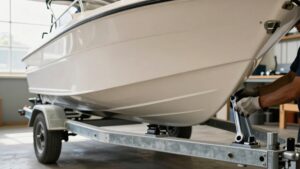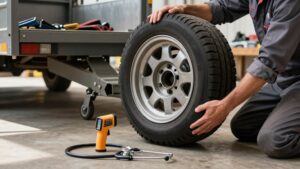
Why Do Trailer Wheel Bearings Fail? Water, Heat and Bad Grease
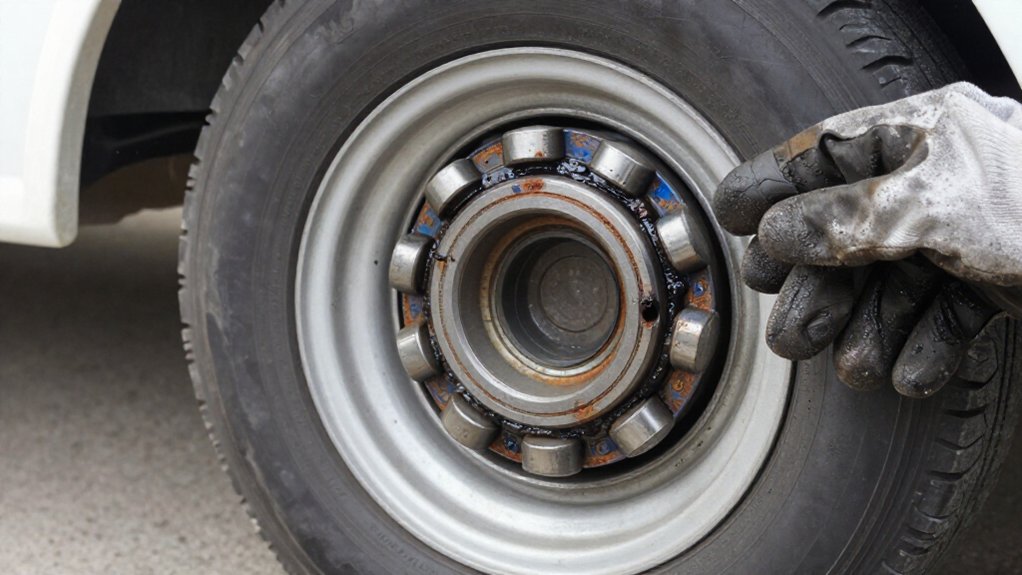
Your trailer wheel bearings usually fail when water, excess heat, or unsuitable grease breaks down the lubricating film.
Water can seep past worn seals, especially when hot hubs enter cold water, contaminating grease and promoting corrosion.
Heat or overload can thin grease and increase metal-to-metal contact; incorrect fit or preload adds stress.
After towing, compare hub temperatures and inspect for gritty or milky grease.
Check bearing endplay before towing, and keep going for more checks.
Water, Heat, Bad Grease
Three conditions can quickly damage trailer wheel bearings: water, excess heat, and unsuitable or dried-out grease. Water can contaminate bearing grease, turning it into a gritty paste that promotes corrosion and abrasive wear inside the hub. Heat breaks grease down; thinning lubrication can let rollers and races contact metal, raising temperatures before the hub feels warm.
The wrong grease, or grease that’s dried out, can’t maintain a film, increasing the risk of pitting and spalling. Use an infrared thermometer to compare hubs. If one side runs much hotter than the other, especially near 150–200°F, treat that difference as a warning of localized grease loss or contamination. Stop safely and inspect the affected hub before continuing; don’t rely on touch alone to judge bearing condition.
Why Seals Fail at the Ramp
At the ramp, hot hubs can stress their seals when they meet cold water, allowing moisture to seep past worn or damaged lips. If you launch before hubs cool, pressure changes can pull water through a weakened lip; incorrect installation or age makes the path easier.
| Clue | What enters | Bearing effect |
|---|---|---|
| Worn lip | Water, silt | Gritty paste |
| Grease loss | Water flushes grease | Faster heat |
| Salt exposure | Additives dissolve | Pitting, spalling |
After submersion, inspect the seal and repack the hub before towing; don’t trust its appearance. Contaminated grease can’t protect bearing surfaces: water strips additives, exposes metal, and accelerates heat under ordinary loads.
If you find grit, corrosion, or grease washout, replace damaged parts. Support the trailer during service; never work beneath unsupported load.
Saltwater Launch and Highway Drive
After a saltwater launch, cold water can seep past seals on hot hubs, turning grease into a gritty, corrosive paste. When you immerse a hot hub in cold water, temperature change can compromise sealing and allow contamination. Salt and moisture inside promote pitting and spalling, even if bearings seemed sound before launch.
On the highway, contaminated grease increases friction, so heat builds faster. Hub temperatures may rise from 100–150°F toward the 150–200°F warning zone. Don’t rely on wobble; it may appear late. Instead, listen for a humming or growling noise that rises or changes with speed, and pull over if you hear it.
After saltwater exposure, inspect and repack the bearings before towing again; contaminated grease can trigger rapid failure.
Grease Breakdown Under Heat
When your hubs run hot, bearing grease thins and oxidizes, weakening the film that keeps metal surfaces apart. Follow the manufacturer’s repacking interval—often 12,000 miles or annually, whichever comes first—to maintain lubrication.
Check for abnormal hub heat during towing; it can signal grease breakdown before you hear noise or feel wheel wobble.
Heat Thins Grease
Excess heat can thin wheel-bearing grease until its film no longer separates the metal races, allowing damaging metal-to-metal contact. Overload or incorrect preload creates friction that raises hub temperature. A hub normally runs around 100–150°F; 150–200°F is a warning zone, though conditions vary. As grease loses viscosity, it carries less load and protects less effectively.
Heat builds inside the hub, so damage may start before you feel warmth or hear noise. Use an infrared thermometer after a run; compare hubs and track changes instead of relying on touch. If one hub runs unusually hot, stop safely and inspect load, adjustment, lubrication, and bearing condition before towing again. A compromised grease film can let races touch, score, and fail; don’t continue until you’ve identified the cause.
Oxidation and Breakdown
As friction drives hub temperatures higher, heat can break down the grease’s base oil, causing it to thin, separate, or leave unprotected pockets around the bearings. When your hub keeps running hot, the remaining grease can oxidize, darken, and thicken, losing its ability to hold a lubricating film between rollers and races. Contaminated grease increases metal-to-metal contact; that friction generates more heat and accelerates oxidation, creating a damaging cycle.
Don’t wait for noise or wheel wobble: temperature can warn you earlier. If the hub rises from roughly 100–150°F toward 150–200°F, stop safely and investigate the cause before continuing. After any overheating, inspect and repack the bearings with suitable grease. Advanced thermal breakdown can pit or spall rollers and races before you feel looseness, so continued towing may turn a serviceable hub into a costly failure. Follow your trailer maker’s temperature and maintenance guidance using its service procedure carefully.
Lubrication Loss
Once hub temperatures climb, heat can thin bearing grease, separate its oil, and strip away the lubricating film between rollers and races. Without that film, metal contacts metal, friction rises, and wear accelerates.
What begins as lubrication loss can progress to pitting or spalling before you hear noise or feel wheel wobble.
Check hub temperature during stops; a rise into the 150–200°F range signals trouble. Don’t wait for obvious symptoms.
Incorrect packing, too little grease, the wrong grease type, or missed service at 12,000 miles or annually can leave bearings vulnerable, even when seals look intact. Water intrusion makes matters worse, turning grease into a gritty paste that adds friction and heat. If a hub runs abnormally hot, stop safely and inspect the bearing before towing further.
Axle Load and Fit
If you exceed your axle’s load rating, higher bearing forces accelerate fatigue and heat. Uneven cargo can make one hub run hotter, so check your load distribution.
Incorrect fit, alignment, or preload can concentrate stress and cause overheating, seizure, or wheel damage.
Excessive Axle Load
When you load a trailer beyond its GVWR, the added force increases bearing stress, fatigue, and heat.
An overloaded tapered roller bearing carries more force across its contact surfaces. That pressure can squeeze the lubricant film thin enough to permit metal-on-metal wear, even when you use the correct grease.
Check the trailer’s GVWR and axle rating before loading; don’t treat the bearing as extra capacity. If your load exceeds either limit, reduce it before towing.
Verify bearing fit and setup: misalignment, worn spindle or axle seats, and incorrect preload can concentrate contact on the races and trigger pitting or spalling under heavy load.
After towing, check hub temperature: 150–200°F warrants attention; above 200°F, stop safely and investigate promptly for grease breakdown or seizure.
Uneven Weight Distribution
An off-center load can make one trailer hub work harder than the other, increasing bearing pressure, friction, and heat. When your trailer sits tilted or tongue and axle loads fall outside specifications, the heavier hub may run hotter than its mate.
That temperature difference can be your first measurable warning, before you hear noise or feel wobble.
Uneven loading raises radial force on that wheel’s bearings, accelerating fatigue. Greater load also increases internal friction, heating grease beyond its intended range and hastening breakdown; continued operation can leave metal contacting metal.
Distribute cargo, including boats and gear, evenly; keep suspension sound so both sides carry load smoothly. Stay within GVWR and rated axle limits, and investigate persistent hub-temperature differences before towing again after each trip.
Incorrect Bearing Fit
Incorrect bearing fit can turn normal hub temperatures of about 100–150°F into the 150–200°F warning range much sooner than expected.
Tight preload can crush tapered rollers and thin the grease film, causing metal contact before noise begins. Loose bearings wobble, hammer races, and speed spalling. Check seating, adjustment, and race condition; don’t tighten a worn race.
| Fit or load | Bearing effect | Your check |
|---|---|---|
| Excess preload | Heat, metal contact | Verify adjustment |
| Loose or overloaded | Race impact, spalling | Check play and rating |
If you exceed the axle rating, contact stress rises and any misfit shortens bearing life. Compare hub temperatures during towing: a hotter side may have the worse fit and degrade first. Stop safely and inspect before continuing; don’t touch a hot hub carefully now.
Hub Checks After Descents
After a descent, carefully feel both hubs for abnormal heat and compare their temperatures; roughly 100–150°F is typical, 150–200°F is a warning, and anything above 200°F is dangerous.
At your next stop, compare sides again: one hub running noticeably hotter than the other can signal lubrication breakdown or contamination before you hear noise or experience lockup. Check the dust-cap and seal area for brown, black, or milky grease, streaks, or grease thrown onto the frame; these clues may mean moisture breached the seal.
After launching or backing into water, especially if hot hubs entered cold water, recheck for contamination and consider repacking, since water dilutes grease and promotes corrosion. If a hub feels dangerously hot, stop safely and let it cool; don’t touch it with bare skin. For a quick play check, jack the wheel and rock it at 12 and 6 o’clock. Noticeable movement warrants prompt bearing and preload inspection before towing.
Pitting Requires Hub Replacement
Water-contaminated grease can pit bearing races and rollers, creating rough metal surfaces that accelerate wear with every turn. After submersion or a heavy seal leak, inspect the hub before towing again. Pits and spalls break the smooth race surface, increase metal-on-metal contact, and spread as rollers turn. Corrosion may pit first, then shed flakes that embed in grease and score mating surfaces.
Heat strips contaminated grease’s protective film; blue or brown metal warns that failure is near. Re-greasing won’t restore damaged steel. Replace the affected hub/bearing assembly; continued travel risks seizure or wheel loss.
| Condition | What you see | Action |
|---|---|---|
| Water exposure | Rust or pits | Inspect hub |
| Heat damage | Blue/brown metal | Replace assembly |
If you find pitting, don’t tow until you replace the hub assembly.
Reusing Damaged Cotter Pins
Even with an undamaged hub, reusing a bent cotter pin can let the castle nut loosen. Each time you bend a pin back, you can overstress it and reduce its spring tension, so it may no longer lock the spindle nut securely. A loose nut can alter bearing preload. This can cause:
- Bearings run too loose, allowing wobble and impact loads.
- Bearings run too tight, building friction heat.
- Heat breaks down grease into a thin or contaminated film.
If your trailer has encountered water, corrosion around the nut and spindle can prevent hardware from seating correctly, making a rebent pin especially unreliable.
Don’t gamble on a used pin. Replace the cotter pin whenever you remove it, then set torque and preload according to your trailer manual. That helps protect your bearings.
Check Bearing Endplay Before Towing
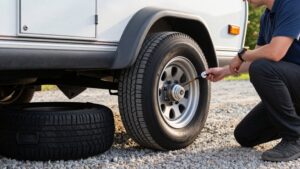
Before towing, jack up the trailer and grasp each tire at 12 and 6 o’clock; noticeable looseness or clicking can signal worn bearings or incorrect preload. Endplay should be minimal. If you feel a wobble, don’t tow: worn bearings or cups, or incorrect spindle-nut adjustment, can let the hub overheat under load. Spin the wheel; roughness or a gritty feel may mean contamination or pitted surfaces.
Have the hub inspected and repacked before travel. Recheck endplay whenever you service the hub or adjust the spindle nut. Too much clearance causes impact loading, while excessive tightness creates friction heat; either setting shortens bearing life. After a short test drive, stop and compare hub temperatures left to right. Excessive preload may make one hub noticeably hotter before noise appears.
Conclusion
Before your next tow, inspect the seals, grease, bearings, and hub for water intrusion, heat damage, or pitting. After a saltwater launch or long descent, let the hub cool, then check for leaks, roughness, and abnormal endplay.
Replace damaged bearings and any pitted hub; don’t reuse a bent cotter pin. Confirm axle load and bearing fit match specifications.
If you’re unsure, have a technician inspect the assembly before you tow again. Maintenance prevents roadside failures.
Trailer Axle, Hub & Wheel Bearing Size Chart
Find sourced Dexter hub rows, bearing cones, races, bore dimensions and applicable seal kits by capacity, brake size, bolt count or part number.