How Often to Replace Trailer Tires (Even If the Tread Looks Fine)
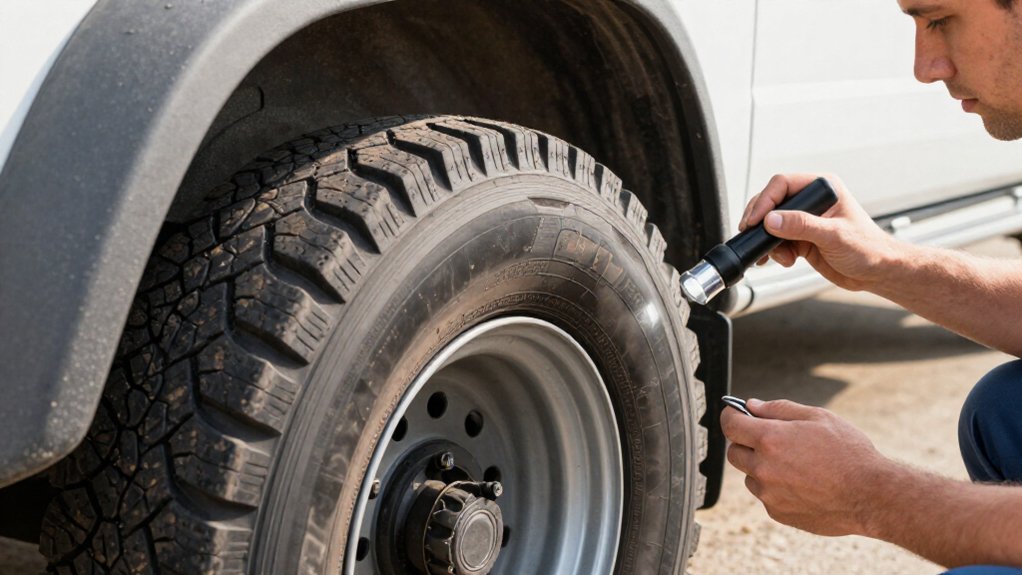
Replace your trailer tires every five to six years, even when the tread looks good. Rubber ages internally as oxygen, ozone, ultraviolet exposure, heat, and time harden it and raise cracking risk. Check each tire’s DOT date code annually; the final four digits show the manufacturing week and year.
Plan replacement as tires approach six years, and replace sooner for bulges, exposed cords, or spreading sidewall cracks. Don’t tow on damaged tires. Use these checks to spot risks.
Six-Year Replacement Rule
Even when the tread looks good, replace trailer tires every five to six years because rubber can weaken internally with age. You should base replacement decisions on tire age, not tread depth. Oxygen, ozone, ultraviolet exposure, heat, and time oxidize the rubber compound, causing it to harden and become more prone to cracking and sudden failure.
Even low-mileage tires can be unsafe if they’re around 11 years old, about twice the recommended service age. As your tires approach six or seven years, plan replacement before or after the current season instead of waiting for visible damage. Use the manufacturer’s age guidance, and schedule the change before your next demanding trip; age-related deterioration may not show clearly during a visual inspection or a brief check.
DOT Date Code Location
To check a trailer tire’s age, find the code beginning with “DOT” on its sidewall; it may be on the inner side rather than the side facing you. Read the final four digits: they show the manufacturing week and year for tires made since 2000.
Use the code on every tire; a matching-looking set may contain older tires.
- Locate “DOT” and its following letters and numbers on the sidewall.
- Check outer side first; inspect inner side if full date isn’t visible.
- Decode 3618 as the 36th week of 2018; 0521 means week 5 of 2021.
- A three-digit code or no date can indicate a pre-2000 tire.
- If age can’t be established from the sidewall, replace the tire sooner.
Don’t judge age by appearance alone.
Annual DOT-Date Review
Once a year, check every trailer tire’s DOT date code and compare its year with the current year. For tires made since 2000, the final four digits show week and year: 0521, for example, means the fifth week of 2021. Add this age check to routine maintenance; plan replacement as tires approach five to six years old, even when tread looks new.
| DOT year | Approx. age | Your action |
|---|---|---|
| 2021 | 5 years | Plan replacement |
| 2015 | 11 years | Replace now |
Low mileage doesn’t make old rubber safe; tires can age internally, and tread depth can’t measure aging reliably. If you can’t read a clear code, common on pre-2000 tires, treat the tire as high risk and replace it. An 11-year-old set is beyond the replacement window.
Inspect for Sidewall Cracks
Use a bright light to inspect both sides of every trailer tire for fine sidewall cracks, especially near the tread, rim, and lettering grooves.
Spiderweb-like cracking can signal dry rot and age-related damage, even when tread depth looks adequate. Replace a tire with deep or spreading cracks, and replace it immediately if you see bulges or exposed cords.
Spotting Sidewall Cracks
Inspect trailer-tire sidewalls regularly for dry rot or weather checking, especially fine cracks between the tread and rim and around the grooves in sidewall lettering. Look closely for small, nipple-like marks or network patterns; these can signal aging rubber that has stiffened, even when tread depth remains adequate. Inspect the inner and outer sidewalls, not only the street side, since shaded areas can crack too.
After a curb strike or pothole impact, make another close visual check; fresh damage may resemble ordinary weathering. Don’t ignore bulges or blisters, which indicate structural damage. If you see either, replace the tire immediately. Exposed fabric or cord also means the tire needs immediate replacement. Check carefully under good light and rotate your view around the entire circumference.
Checking Crack Depth
How deep a crack looks doesn’t reliably show how safe a trailer tire is: even thin weather-checking cracks can signal advanced rubber breakdown while the tread still looks sound. Inspect the sidewall closely, especially the area between the tread and rim and the grooves around lettering. Weather checking is a common visible sign of age-related rubber breakdown, but its apparent depth isn’t a reliable measure of remaining strength.
Lightly run a fingernail across each crack; if it catches, don’t dismiss the damage as cosmetic. Replace the tire or have a qualified tire professional assess it before towing. Also check for bulges or bubbles near cracked areas. These can indicate structural damage, which may develop without obvious tread wear and make continued use especially risky.
Check every tire, including the spare, and don’t rely on tread condition alone when deciding whether a trailer tire is safe and whether you should tow under load today.
Noting Crack Patterns
Crack patterns can reveal sidewall aging that tread checks miss. Inspect the sidewall between tread and rim for fine weather checking or a network of narrow lines. These cracks may widen over time, even when tread depth appears adequate. Check around lettering and molded grooves, where cracks often begin.
Outdoor storage and prolonged sunlight or UV exposure increase the need for inspection. Look across the full circumference, not just the visible upper sidewall; reposition the trailer safely if needed. Use the DOT date to confirm tire age, but don’t let a recent date override visible damage: trailer tires can age internally while looking nearly new.
If you find bulging with cracks, or cracks that expose cords, stop using the tire and arrange immediate replacement.
Understanding Dry Rot
Dry rot is aged, hardened rubber that often appears as fine cracks in the sidewall lettering grooves or as a network of narrow lines. Oxygen, ozone, and ultraviolet exposure gradually weaken the rubber compound, even when the tread looks good.
Inspect both sidewalls in bright light, checking the lettering grooves and surrounding rubber for weather checking. Don’t judge a trailer tire by tread depth alone: it can age internally and become brittle with little visible tread wear. Visible sidewall cracks are a serious warning because highway speed and load can raise the risk of tire separation or a sudden blowout.
Check the DOT date code to confirm the tire’s age; cracking on a tire over about five years old warrants particular concern. If you spot a bulge, bubble, or exposed cord, stop using the tire.
Knowing When to Replace
To decide whether a trailer tire needs replacing, inspect both sidewalls for fine, spreading cracks, especially between the tread and rim or in the grooves around the lettering. Look for weather checking; rubber can oxidize internally, so age-related cracking may precede failure. If cracks form a network or continue spreading, plan to replace the tire rather than waiting for tread wear.
Check the DOT date code on the sidewall: its final four digits give the manufacture week and year. For example, 3618 means the 36th week of 2018. Tires older than about five years are more likely to develop unsafe sidewall deterioration, so inspect them. Replace the tire immediately if you find exposed cords, a bulge or blister, or cracks accompanied by a structural concern. Those signs can indicate internal breakdown, not surface aging. Don’t tow on a damaged tire; have it assessed or replaced before travel.
Extended Outdoor Storage
If you store your trailer outdoors, sunlight and UV exposure can speed tire oxidation and dry rot, even when the tread looks nearly new. Moisture and temperature swings can also weaken rubber over time, so check for sidewall cracks and replace tires near the 5 6 year mark or sooner if damage appears.
Tire covers reduce UV exposure, but they can’t stop age-related deterioration.
Sunlight and UV Damage
Sunlight accelerates rubber oxidation, so trailer tires can crack and lose flexibility even when their tread looks nearly new. When you store your trailer outdoors, repeated sun and heat exposure can age tire compounds faster than occasional trips do. Parking out of direct sun or using tire covers limits UV exposure and slows deterioration, but it won’t stop age-related damage.
Inspect your tires regularly for sidewall cracks, but don’t rely on visible condition alone: UV-related breakdown can develop before surface damage becomes obvious. Check each tire’s DOT date code; its final four digits show the manufacturing week and year. For example, “3618” means the 36th week of 2018. Plan to replace trailer tires around five to six years after manufacture, regardless of tread depth. Aging reduces flexibility and increases failure risk, so don’t wait for cracking.
Moisture and Temperature Swings
When you store a trailer outdoors, repeated wet-dry cycles and temperature swings can accelerate rubber oxidation and dry rot, even when the tread still looks sound.
Rain, dew, and road splash repeatedly wet the tire, while drying shifts the rubber’s moisture exposure; this cycling can break down internal compounds faster than consistently dry, stable conditions. In freeze-thaw climates, water that enters tire pores expands as it freezes, worsening cracks and weakening the rubber structure over time.
Hot days followed by cool nights also make sidewall and tread compounds expand and contract, adding stress and speeding age-related deterioration. Don’t judge serviceability by tread depth alone: moisture- and temperature-related damage may remain hidden until cracking appears. If your trailer stays outdoors for periods, check the DOT date code and use tire age not appearance alone to guide replacement. Replace aged tires before a trip if their condition or history raises safety concerns.
Protecting Stored Tires
For extended outdoor storage, cover trailer tires to limit UV and ozone exposure, and keep them as dry as practical. Direct sunlight accelerates rubber oxidation even while your trailer sits still, so don’t leave tires exposed to sun and precipitation. Use fitted covers and, when possible, park under shelter; a garage reduces exposure but won’t stop dry rot caused by heat cycles and oxygen.
Inspect periodically for sidewall weather checking and cracks between tread and rim. Also check for flat spots after long parking periods or temperature changes; uneven stress may worsen as rubber ages.
Replace tires by age, typically every five to six years, regardless of tread depth. Visible cracking signals aging; don’t rely on near-new tread to confirm a tire remains safe.
Stable Cold-Pressure Readings
Check trailer-tire pressure before driving, while the tires are cold, because heat can raise readings and mask underinflation. Set each tire to the trailer manufacturer’s specified cold PSI, using the tire sidewall or vehicle placard; trailer tires often require about 50–80 PSI, not passenger-car pressures.
Use the same gauge and check the valve stems each time. Record readings so you can spot drops that may signal a slow leak or a rim or valve problem, even when the tires look normal. Recheck before every trip and compare tires across axles.
Uneven readings can point to uneven loading or a suspension problem that needs attention. Consistent pressure helps prevent chronic underinflation from accelerating aging. Stable pressure doesn’t prevent age-related dry rot or replace age-based tire replacement.
Sidewall Bulges or Blisters
A sidewall bulge or blister signals possible internal damage, often from an impact with a pothole or curb, and makes the trailer tire unsafe.
Even if the tread still looks normal, internal layers may be damaged or separating. The raised area marks a weak spot that can fail suddenly under load, so don’t judge safety by tread depth or appearance elsewhere on the tire.
Don’t tow on it at any speed, and don’t try to drive a short distance to a shop. Park safely, unload or support the trailer as needed, and arrange roadside service or a safe tire change. Replace the damaged tire immediately; a repair won’t restore its structure.
Afterward, inspect the other tires for impact damage, including cuts, exposed cords, or uneven deformation. If you find another concern, have that tire assessed before towing. Keep the trailer parked until the unsafe tire has been replaced.
Ignoring Tire Separation
If tread starts lifting or you notice bubbles, bulges, or exposed cords, stop using the trailer tire; separation can cause sudden failure at highway speed, even when the tread looks good. If you spot a layer shift, cracking, or delamination, treat the tire as unsafe; tread depth can’t reveal damage inside its structure.
- Pull over safely; don’t tow on a separating tire.
- Exposed belt or cord means immediate replacement, not repair.
- Arrange roadside help or a spare rated for your trailer.
- After tread loss or a blowout, replace the affected tire promptly.
- Inspect every tire; age and heat can compromise the set, even with usable tread.
Don’t assume tires are sound: oxidation may affect several at once, so have the set checked before towing again.
Measure Tread With Gauge
After ruling out separation, measure tread with a depth gauge rather than judging by appearance. Check the center and both shoulders, then repeat at several points around the tire’s circumference. Record readings in thirty-seconds of an inch. Differences of a few thirty-seconds can reveal uneven wear or pressure and alignment problems. Compare tire readings; small differences show faster wear.
Convert measurements to fractions of an inch and replace the tire as it nears the trailer best-practice target of about 4/32 inch. Many states’ legal minimum is only 2/32 inch, which isn’t a practical replacement target. If readings match but the tire nears five to seven years old, don’t trust tread alone: rubber deterioration still poses risk. Recheck after seasonal trips or before long highway travel.
Conclusion
Don’t judge trailer tires by tread alone: age, storage, pressure, and sidewall condition matter. Check each tire’s DOT date annually, inspect for cracks, bulges, blisters, and separation, and measure tread with a gauge. Replace tires at six years, or sooner if damage, instability, or abnormal wear appears.
Keep cold-pressure readings consistent with the tire and trailer specifications, and protect tires from prolonged outdoor exposure. When you’re unsure, have a tire professional inspect them before towing.